
Beyond snorkelling: 5 citizen science projects you can get involved with on your GBR trip is all about breaking free from just being a passive sightseer and getting hands-on with the Great Barrier Reef. And let’s be honest, most of us do just hop on a boat, bob around the coral reefs, snap a few photos, and then head back to Port Douglas to grab a cold one – nothing wrong with that, really. But if you’re already out there, why not use the time to actually contribute to reef health and reef conservation in a way that genuinely makes a difference in marine research?
I’m Paul, and after all the years I’ve spent guiding tourists around Australia – from the dusty outback to the reef – I can see the difference between a good old-fashioned fun trip and one that really sticks with you. When you stop to think about coral bleaching, sea surface temperatures, and the impact of human activity on the reef’s health, it completely changes your perspective. You stop seeing just ‘colourful coral’ and start to see the reef for what it is: a living, breathing ecosystem that’s really feeling the strain from all the changes happening because of climate change. And that changes how you think about your travel.
The Great Barrier Reef stretches an enormous 2,300km along the coast of Queensland. It supports an incredible 1,500 different species of fish and over 400 types of coral. And it’s not just the coral – you’ve also got seagrass beds, mangrove forests, sandy little islands, and deep channels. The point is, looking after it is a serious job, and that means working on coral reef management, systematic monitoring of the coral, and getting visitors to act as unofficial marine scientists – even if it’s just for an hour.
So if you’re looking at different options for your Great Barrier Reef tour, throw one of the operators a question: do they have any citizen science projects going on? Believe it or not, you can actually turn a standard day trip into something with a bit of real purpose.
Make Your Time On The Water Count
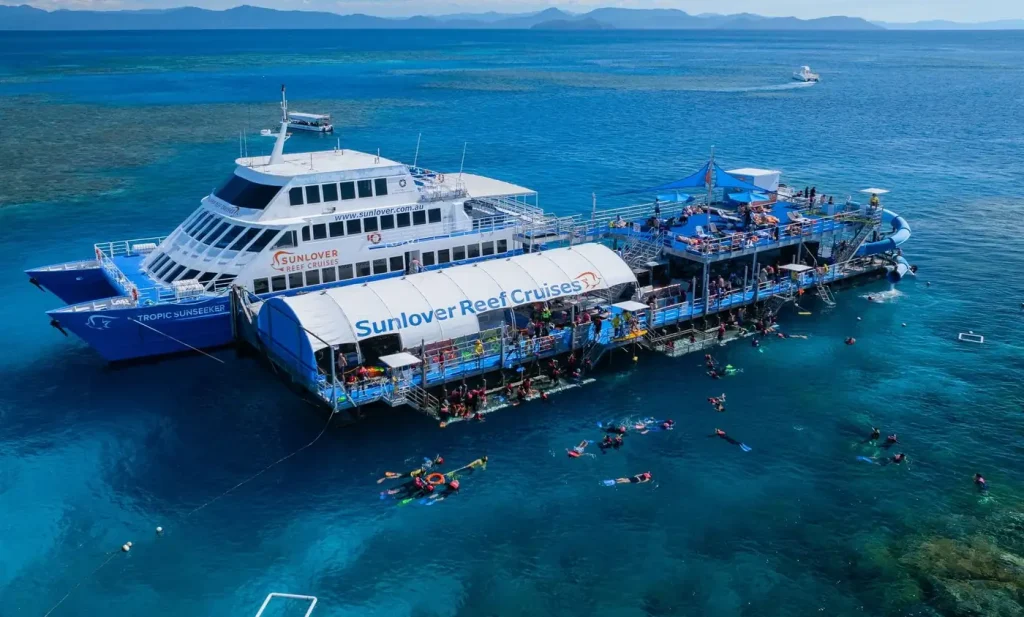
You’ve finally sorted out your tour – maybe it’s a trip to Fitzroy Island, a day out in Port Douglas, or a stint on one of the Master Reef pontoons offshore. You could just drift along without a clue, but instead you can sign up for initiatives that help the reef – and get to tell your mates you helped out a bit along the way.
These citizen science projects get their data into the marine science programs, and that’s backed by the Queensland Government and top-notch research institutions like the University of Queensland. Visitors’ observations and measurements complement whatever satellite imagery and on-the-ground observations the pros are compiling.
Now let’s have a look at five projects that are worth getting involved with while you’re in the GBR.
Reef Check Australia: Hands-On Reef Conservation
If you’re a certified diver and want to roll up your sleeves & get involved, Reef Check Australia is the way to go. It’s not about just passing the time – you’re actually doing real work that’s aligned with global standards for marine research.
Underwater You’re Gonna Be Counting Stuff
So what do you end up recording when you do a Reef Check survey?
- Coral cover (both hard and soft)
- Evidence of coral bleaching – the bad stuff that’s killing our reefs
- Any crown-of-thorns starfish you see (those little buggers are a major contributor to coral decline)
- A bunch of key indicator species (living creatures that tell us how the reef is doing)
- And any signs of human impact – like pollution or damage to the reef
Crown-of-thorns starfish are one of the main reasons coral reefs are in trouble, and when you throw in the effects of climate change, like rising sea temperatures – well, you’ve got a real problem on your hands.
The dry season (May to October) tends to be the best time to visit Port Douglas if you want calm crossings and decent visibility. On the other hand, the wet season can bring heavy rain and poor visibility, and sometimes even cyclones will shut things down. No sugarcoating it here.
If you’re shopping around for a Great Barrier Reef tour, ask the operators if they support Reef Check Australia or any other kind of coral monitoring program.
Eye On The Reef: Just Log What You See & Help Out
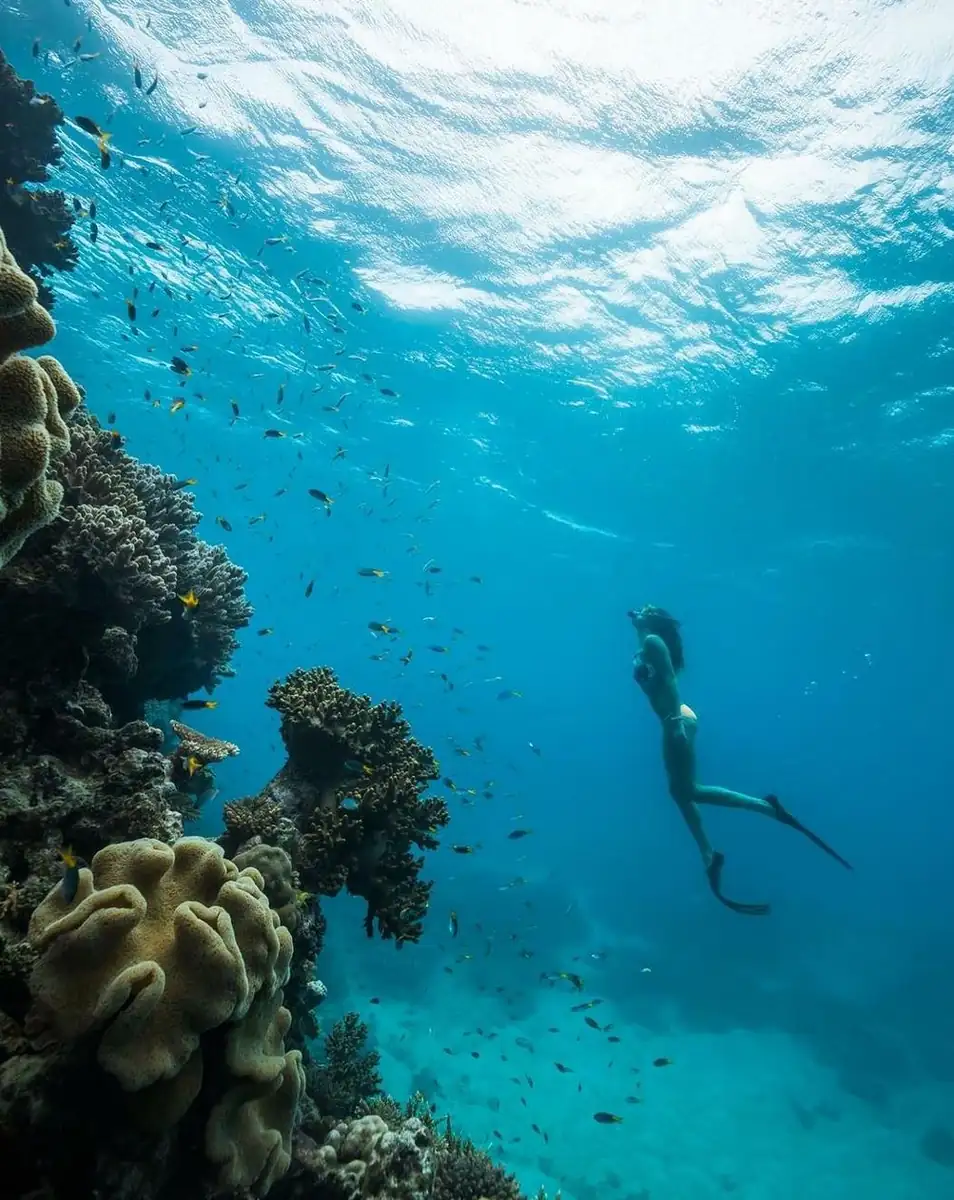
Eye on the Reef is run by the Queensland Government through the Great Barrier Reef Marine Park Authority, and it’s a simple way for anyone to report their observations via a mobile app.
You go snorkelling, you see some pale coral, you log it. Do you notice your marine life behaving strangely? Log that too.
All these reports help out the Rapid Monitoring Surveys & add some local insight to the satellite photos analysed by the Remote Sensing Research Centre at the University of Queensland.
The big-picture data from satellites tell us about sea surface temperatures and coral bleaching, but visitor observations fill in the gaps with information about specific reef sites.
It only takes a minute or two, costs nothing, and actually helps inform decisions about how to look after the reef.
CoralWatch: Coral Bleaching With A Colour Chart
Developed by the University of Queensland, CoralWatch has made coral monitoring far more accessible for snorkellers and divers.
To do it, you use a coral colour chart, often just called a Coral Health Chart, to check the colour of coral underwater against a chart. When you see coral with lighter tones than normal, it can be a sign that it’s under stress from heat.
Coral bleaching happens when corals are forced out of their microalgae, which are the tiny plant that gives corals the energy they need. This heat stress kicks the microalgae out, and without them, corals just go white and lose all their strength.
Coral bleaching has recently been really bad on the Great Barrier Reef – and just about everyone agrees it’s been caused by warmer sea temperatures. So, by monitoring colour changes, you can get an idea of how the health of the reef is changing.
When I first started using a coral colour chart near Fitzroy Island, I had a real lightbulb moment – you stop just saying “that bit looks a bit pale” and start seeing real patterns in the coral that are linked to climate change and unexpected temperature spikes.
If you’re planning a trip to some of the best islands on the Great Barrier Reef, CoralWatch is a great – and really low-key – way to get involved while snorkelling and enjoy your trip at the same time.
Tangaroa Blue: Improving Water Quality & Cutting Debris
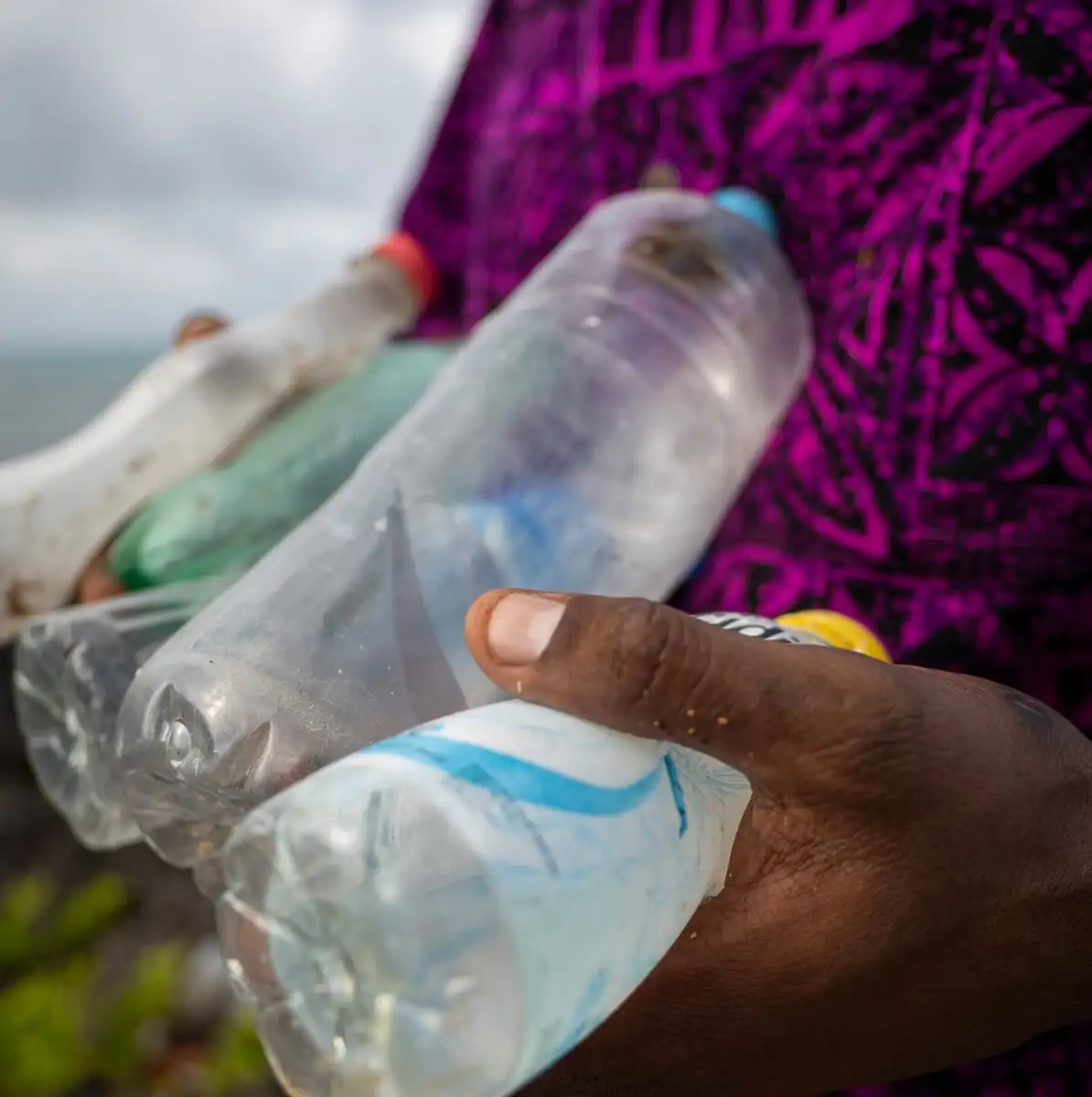
Coral conservation isn’t all about coral – the quality of the water plays a massive role in the whole ecosystem.
Tangaroa Blue brings people together to do beach clean-ups that get logged in the Australian Marine Debris Initiative database. Volunteers pick up debris and sorted and log it.
Plastic waste and other debris running into our rivers make the water worse. It makes it harder for coral to deal with heat stress when it does come along.
Queensland has a plan to get the water quality sorted out – the Water Quality Blueprint aims to reduce some of the pollution coming from the land. But all that planning needs support from everyday people on the ground.
Take a walk beyond the postcard beaches, especially where there are mangroves – it’s not always pretty, but often you’ll find tons of debris trapped in the roots. I mean, it’s not the kind of thing that gets a lot of attention, but it’s just a fact of reef conservation.
Project Manta: Help Marine Science: Photograph Manta Rays
If you get the chance to see manta rays on the Great Barrier Reef, then you’re probably in for a real treat – but did you know you can contribute to marine research by taking photos of ’em?
Each manta ray has unique markings on its underside, so if you snap a photo, you can send it to researchers tracking them. They use that information to get a handle on migration routes, where they like to live, and so on.
You’ve got to be careful, though – manta rays need space, and you need to follow all the guidelines set out by your tour operator – here are a few basic ones to keep in mind:
- Be respectful of space
- Don’t go chasing after them
- Do what the operator says
By getting involved in manta ray conservation, you’re doing your bit for the overall health of the reef and helping the scientists get a better picture of what’s going on.
If you’re planning a trip with a tour operator and they say they can get you to some of the best places to see manta rays, then ask them if it’s a good time of year to see ’em – it might make all the difference.
Plan A Meaningful Reef Day
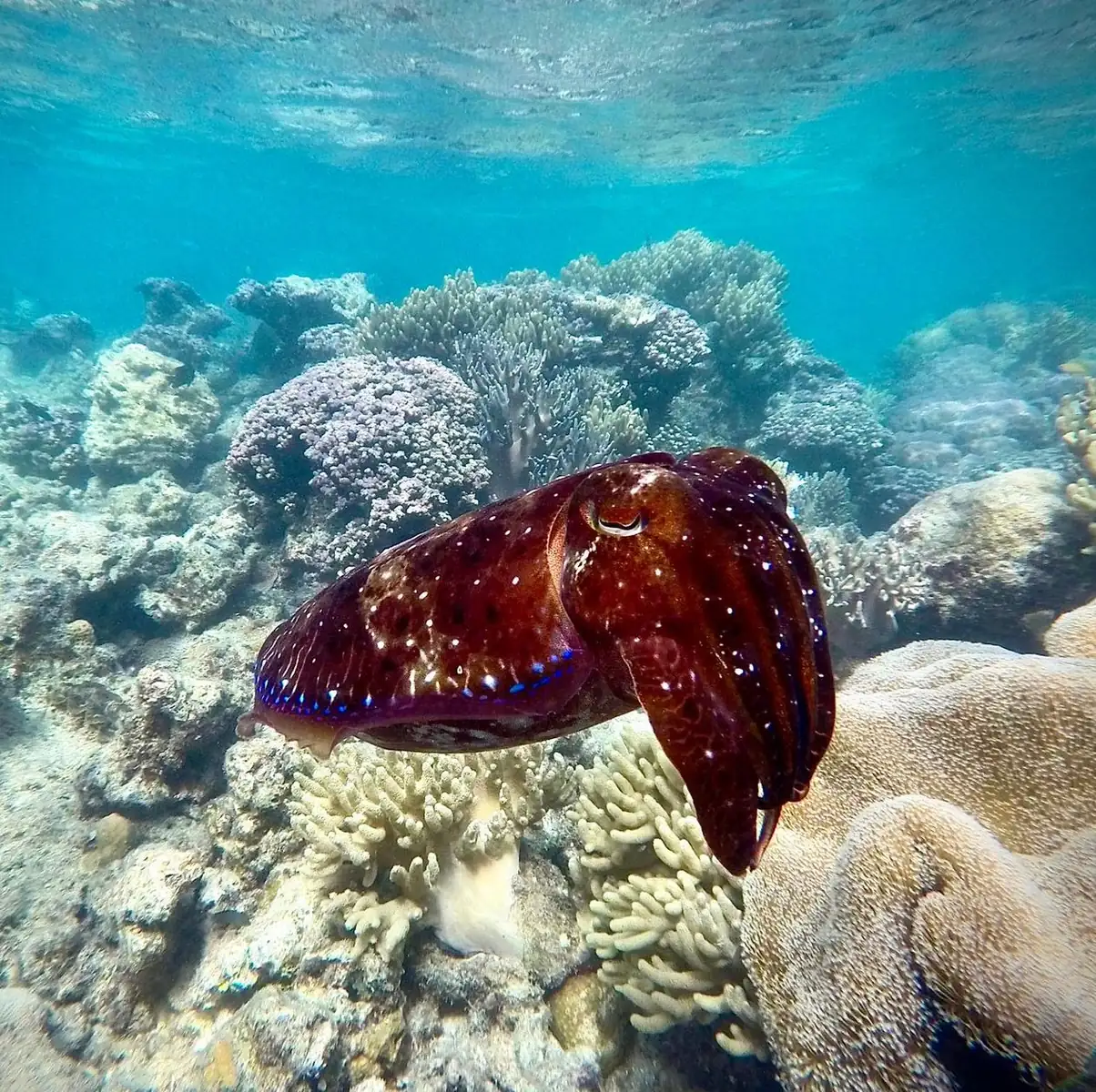
You don’t have to start from scratch with your whole itinerary.
A typical day out of Port Douglas might look like this:
- Snorkelling in the morning at Master Reef – just one of the beautiful spots in the area
- Midday, our CoralWatch team will be doing some colour comparisons – pretty cool if you’re into that sort of thing
- Afternoon is when we do some Eye on the Reef logging – it’s all part of monitoring the reef’s health
- And after that, we’ll be getting the data back to shore and uploading
If you’re on a cruise with one of the big lines – Holland America, Viking, Azamara or Crystal – check to see if they’re partnering with groups like Reef Ecologic. They do reef conservation briefings that get into the nitty-gritty of reef health, community resilience, and just how important the work of the Traditional Owners is.
When picking which island to visit in the Great Barrier Reef, try to head to places where the operators are actually supporting marine research rather than just trying to cash in on the snorkelling crowds.
Showing Some Respect to the Traditional Owners
Listen – the Great Barrier Reef is right in the middle of Sea Country, and that means it belongs to a bunch of Traditional Owners. Show some respect, then – follow the guidance of the Traditional Owners and the licensed operators.
We need to see Indigenous stewardship knowledge working hand in hand with modern marine science if we’re going to do any good on the conservation front. It’s a partnership that’s essential to community resilience.
What’s Really Hurting the Reef
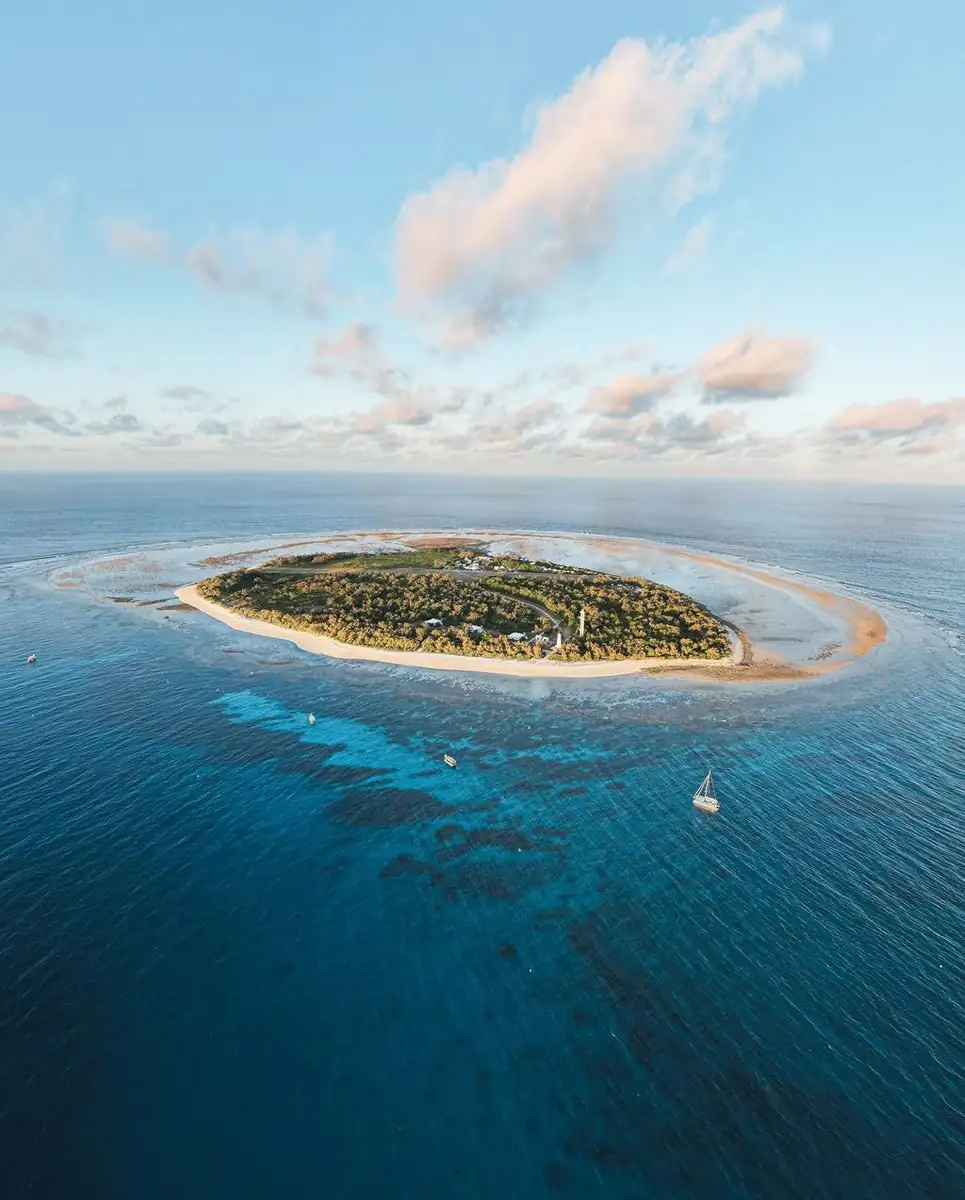
Reef health is a complex issue – we’re looking at:
- Climate change and rising sea temperatures
- Coral bleaching events that can decimate the reef
- Water quality – it’s a bit of a mess due to catchment runoff
- The impacts of humans, like anchoring and pollution
- And then there’s the occasional storm or cyclone that can really do some damage
Researchers are using a combination of satellite imagery, monitoring data, and in-water surveys to inform our coral reef management strategies.
We’re also getting to the root of how coral responds to stress at a microscopic level, which is about understanding coral microeukaryotes and microalgae. And that’s giving us a better understanding of just what to do to protect the reef.
If you’re comparing itineraries for your trip to the Best Islands of the Great Barrier Reef, don’t just look at the marketing – find out how the operators are actually approaching reef monitoring and sustainability.
Travel With Purpose On The Reef
Snorkelling the coral reefs is forever etched in your memory. But when you actually do something to help protect those reefs, now that’s what makes it truly meaningful.
The Great Barrier Reef is in a tough spot when it comes to climate change, polluted water and repeated coral bleaching. On the other hand, scientists and local communities are coming up with clever ways to monitor coral health, conduct marine research, and get more people involved in reef conservation.
You can just show up, take some snaps and leave – or you can help out by logging some data, using a coral colour chart and taking photos of those amazing manta rays without disturbing them, and actually do your part to help the coral reef conservation while visiting the best islands of the Great Barrier Reef.
The more people engage with reef health, the deeper their understanding gets. And the more that awareness spreads, the more resilient the community will be. Plus, that’s a great way to help secure the future of coral reefs.
If you’re planning a trip through one of the many Great Barrier Reef Tours out there, try to find one that incorporates marine science and reef monitoring into its daily trip activities.
So get your swimmers on, bring your curiosity – and your enthusiasm. Because the reef needs all the help it can get.
FAQ
Do you have to be a science whiz to participate?
No way. There are heaps of programs out there, like Eye on the Reef and CoralWatch, that are designed specifically for everyday visitors. Reef Check Australia, though, requires some dive certification and training.
Does the data I contribute actually help marine research?
You bet it does. The data support marine research programs backed by the Queensland Government and institutions such as the University of Queensland.
How do coral bleaching events tie in with climate change?
It’s pretty straightforward: rising sea temperatures due to climate change are basically stressing coral species. That stress can cause the coral to kick out its algae and turn white, which is what we call coral bleaching.
Is this sort of thing suitable for families?
Some of the programs, like CoralWatch and debris clean-ups, are perfect for families – as long as you follow the safety guidelines.
Can I participate all year round?
Most of the initiatives are available all year round, but check the weather and sea conditions before you go – you wouldn’t want to turn up during the wet season and find the reef is all but impossible to get to.